Introduction
In today’s rapidly evolving technological landscape, one concept that has been gaining significant attention and transforming the way we process and analyze data is edge computing. As more devices and systems become interconnected, the need for efficient and real-time data processing closer to the source has become paramount. This blog post explores the fascinating realm of edge computing, its potential applications across various industries, and the transformative impact it is having on the digital world.
Understanding Edge Computing

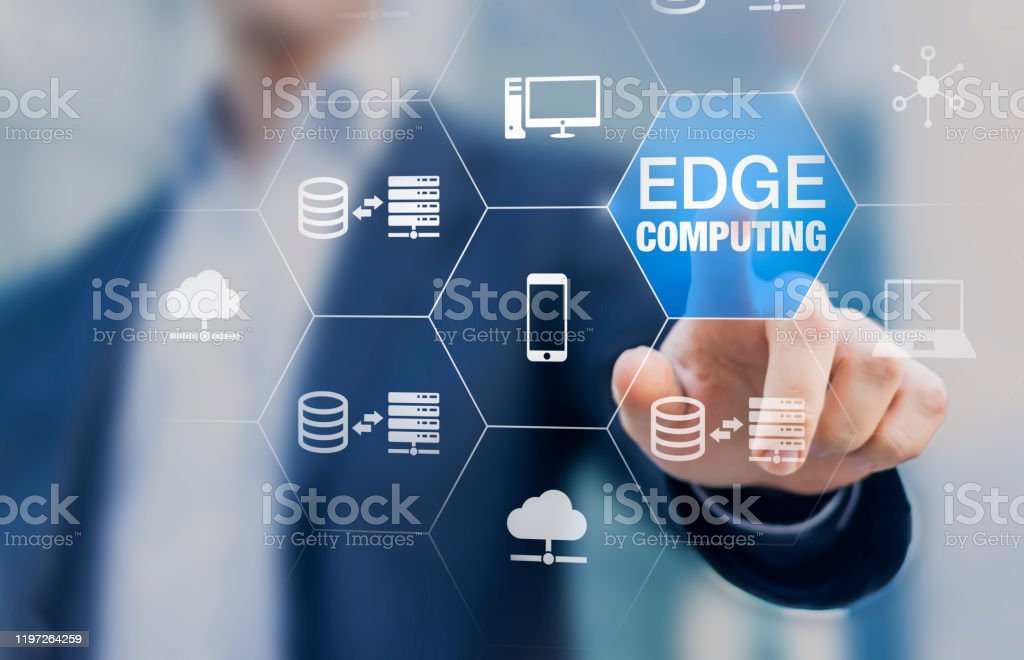
Edge computing involves bringing computational power and data storage closer to the edge of the network, closer to where data is being generated and consumed. Unlike traditional cloud computing, which relies on central data centers, edge computing aims to process and analyze data at or near the source, reducing latency, enhancing real-time decision-making, and optimizing network bandwidth.
In an edge computing architecture, edge devices or nodes are strategically placed at the edge of the network, such as IoT devices, routers, gateways, or edge servers. These devices are equipped with processing power, storage capabilities, and networking capabilities. They are responsible for executing computing tasks locally, reducing the need for constant communication with the centralized cloud infrastructure.
The Benefits of Edge Computing

1. Reduced Latency: By processing data closer to the source, edge computing minimizes the latency associated with transmitting data to centralized cloud servers. This is particularly critical for time-sensitive applications like autonomous vehicles, real-time analytics, and industrial automation.
2. Enhanced Security: With edge computing, sensitive data can be processed locally, without being transmitted to external cloud servers. This reduces the risk of data breaches and improves overall security, making it an appealing option for industries like healthcare and finance that deal with confidential and sensitive information.
3. Bandwidth Optimization: Edge computing reduces the volume of data that needs to be transmitted to the cloud, optimizing network bandwidth and alleviating strain on the network infrastructure. This becomes crucial in scenarios with limited connectivity or remote locations.
4. Real-time Decision-making: Edge computing empowers businesses to make critical decisions in real-time by processing data at the edge. This enables immediate responses to changing conditions, enhances operational efficiency, and opens doors for innovative applications such as smart cities and Internet of Things (IoT) devices.
Application of Edge Computing
1. Autonomous Vehicles: Edge computing

facilitates real-time analysis of sensor data collected by autonomous vehicles, enabling them to make split-second decisions and react swiftly to their environment without relying on a distant cloud server.
2. Industrial Internet of Things (IIoT): Edge

computing plays a vital role in IIoT applications by enabling real-time monitoring, predictive maintenance, and optimization of industrial processes. It ensures rapid analysis of sensor data from machines and equipment, reducing downtime and improving productivity.
3. Smart Cities: Edge computing enables the
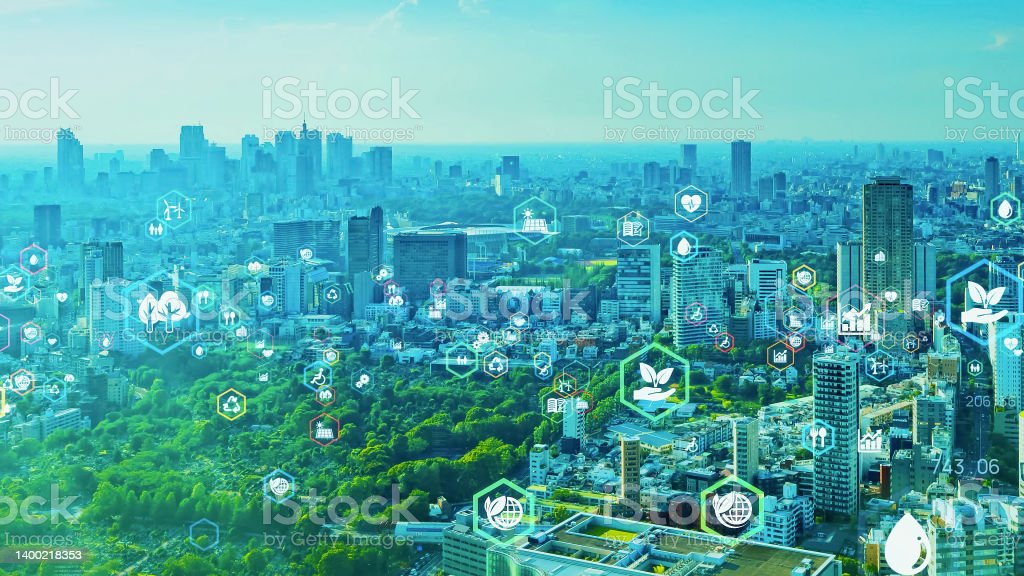
deployment of smart city infrastructure, where data from various sensors and devices can be processed locally to manage traffic, optimize energy consumption, and enhance public safety.
4. Healthcare: Edge computing offers significant potential in healthcare by enabling real-time monitoring of patient data, facilitating remote consultations, and enhancing the efficiency of medical devices.
Conclusion
As we continue to witness the exponential growth of data and the increasing need for real-time processing and decision-making, edge computing emerges as a powerful solution that brings computational capabilities closer to where data is generated. With reduced latency, enhanced security, optimized bandwidth, and real-time decision-making, edge computing opens new avenues for innovation across industries ranging from autonomous vehicles to smart cities and healthcare. Embracing the transformative potential of edge computing allows us to create a more connected, efficient, and intelligent digital world.
 Crysart's Tech Blog